FOX Health

A Generation of Addicts

We are raising a generation of addicts, and we’d better do something about it, starting now.
 
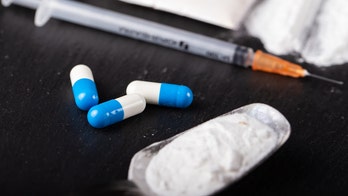
A new federal survey has found that more and more teens are smoking pot, abusing pain pills and using illicitly-obtained stimulants used to treat attention deficit disorder. 15.9 percent of tenth graders reported using marijuana in the last month.  The percentage of eighth graders who considered using ecstasy once or twice a dangerous activity decreased from 42.5 percent in 2004 to 26 percent in 2009.
 
It isn’t just drugs our kids are addicted to.  Kids now play what’s called “the choking game” with greater frequency, too.  This “game” (which it isn’t) involves them choking one another or using improvised nooses to cut off oxygen to the brain and feel “high.”
 
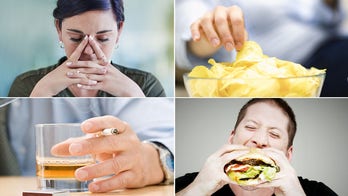
Teens are also using food as a drug, with obesity rates soaring.  It seems as though they are saying in large numbers that anything will do to get them away from reality.
 
But I don’t think marijuana or pain medication or stimulants or the choking game or fast food are the biggest “drugs” to which kids are addicted.  They are using their iPods, DSIs, YouTube, reality TV and celebrity escapism in order to shut down their minds, avoid their feelings and substitute the “high” of technology and entertainment.
 
The price of a generation of addicts is incalculable.  We have to expect that teenagers using pot and Adderall and Percocet and choking and 21st century versions like Facebook will face an increased rate not only of substance dependence, but of depression and anxiety and their physiological brethren—from hypertension to cardiac disease to malignancy.  We have to expect higher rates of sexually transmitted diseases, as young people turn to sex to feel better, too.  We have to anticipate more violence, as young people evolve into adults with little experience managing their anger and a higher likelihood of turning to street drugs to try to contain that and every other uncomfortable feeling.
 
More than one of my young patients tell me they participate regularly in “Live Action Role Play,” in which a group of teenagers conspire to pretend to be people other than who they really are—nearly full-time.  So a cashier at a grocery store can be treated by his friends like a rock star, complete with text messages asking where he’s headed on tour.
 
It isn’t just teens, either.  Kids are getting into the “act.”  Club Penguin gets them ready to treat animated creatures like real pets—as in, to not care about real life any more than bright images on a screen.  Cell phones put instant messaging in the hands of 9-year-olds and remove them from face-to-face or even voice-to-voice communication.
 
All of this activity can be reduced to one basic behavior:  Getting high, as in, intoxicated.  We may not see it that way today, but we surely will, looking back, from some very complicated and painful tomorrow.

Dr. Keith Ablow is a psychiatry correspondent for FOX News Channel and a New York Times bestselling author. His book, “Living the Truth: Transform Your Life through the Power of Insight and Honesty” has launched a new self-help movement including www.livingthetruth.com. Dr. Ablow can be emailed at info@keithablow.com.


Chanukah Wishes for Health Reform

siegel1Remember the story of Judah and the Maccabees, and how they reclaimed the holy temple with the help of a miracle; when one day’s worth of oil burned for eight days.

Unfortunately, the current health reforms are shaping up the same way; namely, it will take an absolute miracle for the government to succeed in extending the current “oil” of health insurance to cover 30 million or 40 million more people.

Especially when you consider the doctor and nurse shortage – that 65 million people live in Health Professional Shortage Areas. The Association of American Medical Colleges predicts that we will be 150,000 doctors short by 2025 if we have health reform.

The doctors we do have will be overburdened with more patients with lower reimbursements and we will have less time to see them. Many more will drop out, decreasing the value of extending insurance to millions more people. 50 percent of  practicing doctors already don”t take Medicaid, and according to the Medicare Payment Advisory Commission, in 2008, 28 percent of Medicare patients looking for a new primary care physician  weren’t able to find one. Soon it will take an absolute miracle for a patient to receive top quality care.

My holiday wish is for more doctors, more nurses, and less insurance, rather than more insurance.

It will certainly be a miracle if Medicare can be expanded to cover millions more between 55 and 65 without transforming it to a highly restricted low-paying system that no one can recognize. Speaking of that kind of system, it already has a name – Medicaid. It will also be a miracle of Chanukah-like proportions if Medicaid can somehow be extended to 10 million more people without bankrupting states or the hospitals who will see their payments cut further by these suffering states. Even Senator Chuck Schumer’s (D-NY) plan of creating 2,000 more residency spots for primary care docs seems like a prayer when you consider that these residents still won’t have a built-in loan forgiveness plan or high paying jobs when they graduate. It will be a miracle if these spots are filled.

High deductible high co-pay insurance may be unpopular, but it has a built in disincentive for overuse. This is practical, not a miracle.Health care for all means more caregivers not more insurance. This too is a practical solution, not a miracle.

But if Congress doesn’t start to take the growing doctor and nurse shortage more seriously, we may all soon be hoping for a miracle whenever we get sick.

Dr. Marc Siegel is an internist and associate professor of medicine at the NYU School of Medicine. He is a FOX News medical contributor and writes a health column for the LA Times, where he examines TV and movies for medical accuracy. Dr. Siegel is the author of a new ebook: Swine Flu; the New Pandemic. Dr. Siegel is also the author of “False Alarm: The Truth About the Epidemic of Fear and “Bird Flu: Everything You Need to Know About the Next Pandemic.” Read more at www.doctorsiegel.com

Dinner Tonight: Winter Squash!

Winter squash is an excellent reminder that there are still things to look forward to when the weather takes a turn for the worse.  Packed with nutrients and easy to prepare, winter squash is a must-have cold weather staple.  It is mildly sweet in flavor and adds a unique taste as a side or stand-alone dish.  Better yet, preparation can be as quick and easy as you want.

Nutrition:  As complex carbs, varieties of winter squash are an excellent source of fiber, potassium, vitamin A, vitamin C, and several B vitamins, including folate.  High in fiber and low in calories, these pack the punch without the pounds.
Selection and Storage:  Winter squash is named for how and when it’s harvested, and basically means you end up with a tough outer rind. Their shells are hard and difficult to pierce, enabling them to have long storage periods- up to a month or more in a cool, dry place. Additionally, all have seed-containing hollow inner cavities.  Choose one that is firm, dense, and has a dull rind.
Varieties:
•    Acorn squash: With green skin speckled with orange patches and pale yellow-orange flesh, this squash has a unique flavor that is a combination of sweet, nutty and peppery.
•    Butternut squash: Shaped like a large pear, this squash has cream-colored skin, deep orange-colored flesh and a sweet flavor.
•    Pumpkins: The smaller the size, the sweeter the flavor. Pumpkins are best used for roasting seeds or baking a pie.
•    Turban squash: Green in color and either speckled or striped, this winter squash has an orange-yellow flesh whose taste is reminiscent of hazelnuts.
These are just some of my favorites, but feel free to explore!
Preparation Ideas:

Roast it, puree it, or add it to soups.  Winter squash can be tasty, savory or sweet, so it’s up to you.

Spaghetti squash, for example, is a fast and easy dinner solution.
•    Cut it in half, remove the seeds, and roast at 350 degrees for about 30 minutes until the flesh is tender.
•    Fork through the flesh to create the spaghetti texture, and top with marinara sauce or olive oil, salt, and pepper.
•    Get creative and create spaghetti squash lasagna by layering sauce, cheese, and “spaghetti.”

Complete your list:

Other winter grocery list ideas should include sweet potatoes or yams. They can be versatile- baked, twice baked, microwaved, pureed in soups or sautéed, and are loaded with vitamins A and C and more importantly, and most unlike it’s white potato counterpart, fiber.

If fruit is more your thing, look for pomegranates or pears.  Snack on them raw, add to salads, or prepare them for dessert. Pears pair particularly nicely with cheese.

What not to buy?

Watch out for produce that’s significantly higher priced than its in-season counterpart.  For example, blueberries, peaches, and asparagus- don’t even think about them until the weather warms up.  They’ll be tasteless and their carbon footprint huge.

Tanya Zuckerbrot, MS, RD is a nutritionist and founder of www.Skinnyandthecity.com.    She is also the creator of The F-Factor Diet™, an innovative nutritional program she has used for more than ten years to provide hundreds of her clients with all the tools they need to achieve easy weight loss and maintenance, improved health and well-being.  For more information log onto www.FFactorDiet.com.

Not Invited

Dear Yvonne,
I’ve got a special someone who wants me to take her home for Christmas this year. I’m excited by the suggestion, but already stressing since it’s tradition for me to spend Christmas Eve with my friends – and I kinda don’t want her to crash on the little time I have with them. How should I handle not inviting her if that’s what I end up doing?

– Mike

Dear Mike,
This is tricky territory and how it’s received (rationally) is very dependent upon how far along the relationship has developed. If things have reached a level that she should be invited, but you don’t want her there, then you need to re-evaluate the relationship, examining issues like fears you may have about being in such an intimate union. 

If you tell her that you want to spend time with her, but aren’t quite ready to spend Christmas Eve with her, she can’t fault you for your honesty, even if she doesn’t like it. Your one out may be that your friends are your family and the family has decided this year that other people’s partners aren’t invited. She may not take it as personally, but don’t count on it. 

Dr. Yvonne Kristín Fulbright is a sex educator, relationship expert, columnist and founder of Sexuality Source Inc. She is the author of several books including, “Touch Me There! A Hands-On Guide to Your Orgasmic Hot Spots.”

Chaste Berry: Relief for PMS

Despite pharmaceutical research expenditures totaling in the hundreds of millions of dollars, effective relief for symptoms of PMS has been confirmed not in an expensive patented drug, but in a traditional folk remedy, chaste berry (Vitex agnus castus). A study reported in the January 20 issue of the British Medical Journal found a positive rate of response of 52 percent among women with PMS. These results confirm what traditional herbalists have known all along, that chaste berry works for women.

Chaste berry, also known as vitex, is a densely branched shrub indigenous to the Mediterranean and Asia. The berries are used as a traditional folk medicine for premenstrual discomfort, and as a lactagogue, a promoter of breast milk production. Chaste berry was well known to the early herbalists. Hippocrates commented, “If blood flows from the womb, let the woman drink dark wine in which the leaves of the Vitex have been steeped.” Pliny the Elder said, “The trees furnish medicines that promote urine and menstruation.”  The herb was widely used throughout Europe, and appeared in Homer’s 6th. century B.C. epic, The Iliad.

Investigation into chaste berry has shown the presence of various flavonoids, and Yugoslavian chemists have suggested that the ripe fruits contain certain steroids. Chaste berry increases the production of luteinizing hormone, and inhibits the release of follicle-stimulating hormone.  By this sex-hormone modifying action, chaste berry modifies the secretion of both estrogen and progesterone. This activity leads us to the issue of premenstrual syndrome, or PMS.

PMS  is a complex combination of physical and psychological symptoms, which occur prior to the start of a menstrual period. These symptoms include fluid retention, bloating, breast tenderness, headache, irritability, aggression, tension, anxiety, depression, confusion, difficulty concentrating, and forgetfulness. Because of its complex physical and emotional expression, and because of the many factors which may contribute to its cause, PMS is hard to understand and difficult to treat. Symptoms of PMS occur a week or two prior to menstruation, and last anywhere from a few hours to 14 days. The intensity and range of symptoms differs from one woman to another. Often PMS comes on suddenly, resulting in sharp mood changes. Some women report dark mood changes, and an inability to control sudden overwhelming emotions.

The study of chaste berry and its effects on PMS reported in the British Medical Journal was conducted at the Institute for Health Care and Science in Huttenberg, Germany. In the study, 170 women with a mean age of 36 participated. Of these, 86 were given a placebo, and 84 were given one tablet daily containing 20 milligrams of an extract of chaste berry (ZE 440) standardized to casticin. The women in the study participated for a period of three full menstrual cycles. The women in the study were assessed for six symptoms – irritability, mood alteration, anger, headache, bloating and breast fullness. The evaluation included a combination of self-rating tests, physical examinations and interviews. At the completion of the study, the group which had taken the chaste berry extract had a positive response rating of 52 percent, as compared with the placebo group at 24 percent. These results clearly show that chaste berry helps to relieve symptoms of PMS.

This is not the first study reporting positive results for PMS with chaste berry.  Smaller studies reported last year in the Archives of Gynecology and Obstetrics, and in the Journal of Women’s Health and Gender-Based Medicine reported similar findings. These studies showed that chaste berry offers relief for symptoms of PMS, with only a few reports of mild side effects.

Many questions remain about chaste berry for this purpose. What concentration of material will produce optimal results? What daily dosage will work best for the greatest number of women? Will other botanical or nutritional agents enhance the activity of chaste berry? Vitamin B6, for example, is well established in medical literature for providing some relief of some symptoms of PMS. Will these two agents together, and possibly others, result in a superior remedy for premenstrual syndrome?

We live in an interesting time in which traditional folk remedies with long histories of safe and effective use are being evaluated in a manner similar to that of drugs. In-depth chemical analysis of plant materials, along with various chemical and animal tests, set the stage for human clinical trials such as the ones I have described here. We have seen positive reports on human clinical trials with kava, ginkgo, St. John’s wort, and other botanicals. As chemists and clinicians investigate traditional botanical remedies in their standardized, concentrated forms, the news is almost uniformly good news. Science does not “validate” chaste berry or any other herb. But it does explain how herbs work, and helps us to determine dosage levels that can offer reporducible results for a large number of people. In the case of chaste berry, standardized extracts of this common fruit, administered to women who experience the difficult symptoms of PMS, provide relief. Chaste berry is safe and effective. Ultimately, this is what matters most.

Chris Kilham is a medicine hunter who researches natural remedies all over the world, from the Amazon to Siberia. He teaches ethnobotany at the University of Massachusetts Amherst, where he is Explorer In Residence. Chris advises herbal, cosmetic and pharmaceutical companies and is a regular guest on radio and TV programs worldwide.  His field research is largely sponsored by Naturex of Avignon, France. Read more at www.MedicineHunter.com

Tiger Woods – and the Rest of Us

As mistress after mistress comes forward, admitting to a sexual liaison with Tiger Woods, it would be easy to focus on his voracious appetite for sex and his fall from grace in the eyes of his fans and miss some very important lessons about the rest of us in 21st century America.

Marriage in America is under siege, in a big way.  At least 40 percent of American marriages end in divorce and a very large percentage of those that survive are desperately unhappy ones in which the partners feel estranged from one another or even spiritually suffocated by one another.  In my practice of psychiatry (and in the practices of the counselors and psychologists and psychiatrists with whom I routinely speak), I would estimate that as many as 90 percent of married individuals would rank their unions as the source of very significant stress or would say that their marriages are a source of low mood or anxiety.

We marry in the throes of romance, and a conspiracy of silence prevents us from a society-wide, in-depth, healing discussion of how to maintain it after more than a few years of cohabitation. Isn’t one of the sustaining beams of our culture worth the attention of leading scholars? Shouldn’t the Surgeon General consider the marriage crisis in this country worthy of understanding and healing? Why do we teach sex education in school, to the exclusion of teaching techniques of emotional intimacy?   Why do we pretend that marriages can be effortlessly passionate forever, rather than advising couples to routinely take space from one another as a way to recharge their levels of attraction? Why don’t we look deeply at the fact that a husband or wife might be willing to donate a kidney to his or her spouse, yet unable or unwilling to remain sexually “faithful?”  

What does that mean about the real glue of long-term attachment—that it is actually nine parts emotion and only one part physical? Why haven’t we talked about what marriage means in a culture in which each partner may have had a dozen or more sexual relationships prior to marriage and is very possibly going to have more than one marriage in his or her life? Why is it that American men still have been given very little insight into just what women feel after infidelity (and vice-versa)?  

We know that Elin Woods is angry, but we don’t know the real depth of her pain.  Isn’t it possible that if teenagers learned how betrayal sparks jealousy, resentment, fear of abandonment and worries about being unloved and unlovable that they might remember those lessons in their adult, married years? If more men understood the psychological risks to their adolescent daughters and sons of intuiting that their fathers or mothers are unfaithful, would that give parents more reason to invest in their marriages? The fact that Tiger’s sexual escapades have pushed Afghanistan off the front page is evidence enough that sex is a dominant force in American society.  As technology more and more defines our existence, the lure of sex will only intensify, if only to remind people they are human.  

If we pretend that the institution of marriage can withstand that kind of energy without a plan, we’re going to become—even more than now—a nation married to hypocrisy in our private lives.

Dr. Keith Ablow is a psychiatry correspondent for FOX News Channel and a New York Times bestselling author. His book, “Living the Truth: Transform Your Life through the Power of Insight and Honesty” has launched a new self-help movement including www.livingthetruth.com. Dr. Ablow can be emailed at info@keithablow.com.

Making the Most of Allowance

Many moms say they are inundated with housework and little help from their family. Offering allowance to your children as positive reinforcement for completion of chores is a great way to get them motivated to help out at home while teaching them an important life skill. Be clear — this is not a bribe to clean the house or behave. The same way you or your spouse go to work and collect a paycheck, your children will learn the value of hard work and a dollar. Allowance offers the opportunity for your child to practice math skills while learning responsibility. There are a few ways to utilize allowance in a positive and productive way.

First, be clear and fair about your expectations. Using a chore chart and assigning tasks to each child in the family ensures the workload is shared and a timeline for completion is set. Typically, families assign tasks on a weekly basis. Make sure tasks are age-appropriate. Setting the table, making the bed, or putting dirty clothes in the hamper are great for younger children between five and eight years old. Children between nine and twelve can take out the recyclables, dust, or put away clean clothes. Children thirteen and older can take on some of the bigger chores, such as helping make dinner or doing a load of laundry. Be sure to rotate tasks so one person isn’t always stuck taking out the trash!

Provide your child with a piggy bank, a wallet, or a bank account to store their money. This sends the message that money earned does not have to be spent right away. Encourage your child to save for a big purchase or use that money to buy gifts for family members. Model for your children how to budget for a big purchase by including them in family discussions about buying a new vehicle, saving for a vacation, or choosing a new television.

When you first introduce the concept of chores and allowance, you may need to remind your child frequently to complete her tasks. Gradually pull back on your reminders. The idea is that you want your child to become responsible for her chores and complete them independently. Remember- true independence means absolutely no reminders from you!

The key to making chores and allowance a positive experience is to follow through on your agreement. If your child completes her chores on time, she gets her allowance. If she doesn’t do her chores, she doesn’t get paid. Do not bend! She will learn quickly that she has to honor her end of the agreement. Remind her that you and your spouse would not get paid if you didn’t go to work and complete your assignments each day.

It’s important to pair the monetary reward with your verbal praise. Children value your pride more than a dollar— whether they show it or not. Also acknowledge their own feelings about completing their chores. For example, say, “You should be proud of yourself! You worked so hard!” Guiding children to be intrinsically motivated to complete tasks will carry them in their academic and personal lives.

Jennifer Cerbasi teaches at a public school for children on the autism spectrum in New Jersey. As a coordinator of Applied Behavioral Analysis programs in the home, she works with parents to create and implement behavioral plans for their children in an environment that fosters both academic and social growth. In addition to her work both in the classroom and at home, she is also a member of the National Association of Special Education Teachers and the Association for Supervision and Curriculum Development.

Detecting Diabetes

Let’s review a few things you should know about diabetes.

Definitions:

1.    Type I diabetes is typically diagnosed in children or young adults, which is why it was formerly known as juvenile onset diabetes.  With Type 1, the body does not produce insulin.  Insulin is the hormone needed to breakdown the carbohydrates you eat into glucose.  Glucose is the body’s most efficient form of energy.

2.    Type 2, previously known as adult-onset diabetes, is when the body no longer makes enough insulin, or your tissues are insensitive to it.  When insulin isn’t around to take glucose into the cells, it builds up in the bloodstream causing hyperglycemia, or high blood sugar.  Over time, this leads to diabetes complications.  Type 2- diabetes is the most common form, and is often left undiagnosed because many of its symptoms seem so harmless.

3.    Gestational diabetes is diagnosed during pregnancy, but does not necessarily mean the mother will have diabetes after the baby is born.

4.    Pre-diabetes is a condition in which the body is beginning to become resistant to the insulin it makes.  Blood glucose levels are higher than normal but are not high enough for a diagnosis of diabetes.

Symptoms:

Type 1:
•    Frequent urination
•    Unusual thirst
•    Extreme hunger
•    Unexplained weight loss
•    Extreme fatigue and irritability

Type 2:     all of the above, plus
•    Frequent infections
•    Blurred vision
•    Slow healing cuts or bruises
•    Tingling/numbness in the hands/feet

Incidence and prevalence:
•    In 2007, 23.6 million adults and children in the United States had diabetes. An estimated 5.7 million people were undiagnosed and an additional 57 million people were pre-diabetic.
•    Incidence: 1.6 million new cases of diabetes are diagnosed each year in people aged 20 years and older.
Diabetes is diagnosed using the following tests:
•    A fasting plasma glucose (FPG) test measures blood glucose in a person who has not eaten anything for at least 8 hours.
•    The oral glucose tolerance test (OGTT) measures blood glucose after a person fasts at least 8 hours, then again 2 hours after the person drinks a glucose-containing beverage.
•    A random plasma glucose test, can measure a person’s blood glucose at any time regardless of the last time the person ate or drank. This test is used to diagnose diabetes along with an assessment of other symptoms and should be repeated on another day.
Complications include heart disease, stroke, high blood pressure, blindness, kidney disease, amputation, and death.
•    Diabetes was the seventh leading cause of death in 2006. This ranking is based on the 72,507 death certificates in 2006 in which diabetes was listed as the underlying cause of death.
Nutrition implications:  Good nutrition habits are key to managing diabetes.  What you eat, how much you eat, and when you eat are most important to maintaining blood sugar control.  Carbohydrate-containing foods should be closely monitored, but it doesn’t mean they are off limits for diabetics.
Cost:  The total cost of diagnosed diabetes in the United States in 2007 was $174 billion.  Factoring  in the additional costs of undiagnosed diabetes, pre-diabetes, and gestational diabetes brings the total cost to $218 billion.

Where to go for more information:
•    www.diabetes.org (American Diabetes Association website)
o    My Health Advisor can help calculate your risk for diabetes.
o    My Food Advisor is an online nutrition tool for patients with diabetes or those looking to lose weight.  This interactive tool can compares the nutrient content of foods, suggest healthier alternatives, and analyze what you currently eat.
•    National Institute of Diabetes and Digestive and Kidney Diseases
•    Check out the American Diabetes Month Fact Sheet
•    Centers for Disease Control and Prevention (CDC) 2007 National Diabetes Fact Sheet

Tanya Zuckerbrot, MS, RD is a nutritionist and founder of www.Skinnyandthecity.com.    She is also the creator of The F-Factor Diet™, an innovative nutritional program she has used for more than ten years to provide hundreds of her clients with all the tools they need to achieve easy weight loss and maintenance, improved health and well-being.  For more information log onto www.FFactorDiet.com.

Online Dating

Dear Yvonne,

I’m about to try online dating. Any tips for a killer seductrix profile??

– Kristin

Dear Kristin,
Your first impression is going to come down to a grabbing username and headline. So get creative and, if you’re not, recruit your friends for something inviting and noticeable that captures what you’re about. When drafting your profile, use colorful words to describe yourself, saying that you’re “vivacious” instead of “nice” or “driven” instead of “goal-oriented.” Strive for a well-rounded picture that includes activities, interests, hopes, and passions. At the same time, keep things brief in a way that a browser will want to learn more.

Dr. Yvonne Kristín Fulbright is a sex educator, relationship expert, columnist and founder of Sexuality Source Inc. She is the author of several books including, “Touch Me There! A Hands-On Guide to Your Orgasmic Hot Spots.”

Lessons Learned From Tiger Woods

As a man I can say — there’s no doubt about it, men do some crazy things. As a society, it seems as though we’ve become numb to the news of scandalous love affairs when it comes to politicians, celebrities and other public figures. But for some reason, the world stopped and held its breath while Tiger Woods addressed the media and finally admitted his infidelities. Is it because of his squeaky clean reputation as a world champion and role model? Do we feel “cheated” because of our societal obsession with celebrity? It’s unfortunate that something so personal and heartbreaking for his young family has to be put on display for the world to consume, but that’s the life he chose … isn’t it?

Just yesterday, my 10-year-old daughter asked me why Tiger Woods would cheat on his wife, and I didn’t have an answer for her. That got me thinking, there has to be some useful information within the media circus gaining speed while we anxiously await all the intimate details of his “transgressions.” So I talked to psychologist and sex expert, Dr. Belisa Vranich to get some answers.

Q: Are men “wired” to cheat?
A:
Being monogamous is an intellectual decision – men are wired to have lots of sex – whether they decide to have it with one woman or several women depends on their definitions of what’s acceptable.

Q: What constitutes cheating?
A:
Each couple decides their own definition, not one universal definition. It’s very personal. For instance, one couple affairs outside of their zip code are acceptable, for another couple intercourse without kissing may be acceptable.

Q: What are some of the common reasons that people cheat?
A: Common reasons are: feeling neglected, bored, entitled. Those are the three most common reasons.

Q: Why is infidelity so rampant among people in the public eye?
A:  They live lives that are more scrutinized…I don’t think they cheat more than the average person. When you are having an affair with the UPS guy, you don’t have headlines about it. They actually should be having less affairs because they are being watched so closely.

Q: What are some tips for people dealing with infidelity?
A: My take on it – the person that has been cheated on — realize that the person who was cheated on will have trust and anger issues for a very long time . . . the worst breach of the relationship is when it wasn’t one brief indiscretion, but rather an entire relationship that lasted for a long time. (If it’s an entire relationship, there were more lies attached to it.)

Close
E-mail It