FOX Health

Posts Tagged ‘Dr. Cynara Coomer’

Putting a Price on Life?

Wednesday, November 18th, 2009

Dr. Cynara Coomer

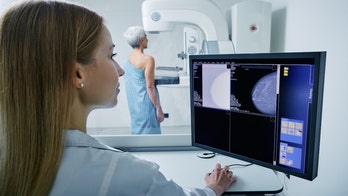
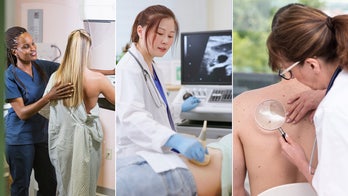
I am outraged with the recommendations from the U.S. Preventive Services Task Force. Not only does it send a mixed message to women about the benefits of a screening mammogram, it is also a dangerous practice to not screen women between the ages of 40-49 without an alternative test. Furthermore, early detection of breast cancer by mammograms has shown to have a significant decrease in the number of deaths. Although the numbers are more impressive for women over the age of 50, there is still a large impact for women in the 40-49 age group. For every 1,300 women screened between the ages of 50-59, one woman’s life is saved. For every 1,900 women screened between the ages of 40-49, one woman’s life is saved.  Is the difference in the ratio really worth denying women in their 40s a chance of survival?

Proponents of the task force’s recommendation argue that screening women in their 40s has led to a high number of false negatives, needless biopsies and unnecessary anxiety. However the impact of saving a woman’s life in my perspective outweighs these problems. Ultimately, we need to find more appropriate tests to screen women, but the mammogram is our best available modality at this time.

Because of the number of women under the age of 50 that I personally treat in my practice for breast cancer, I will not go against the American Cancer Society guidelines of starting mammograms at the age of 40. Depending on their risk factors, some women may need a baseline mammogram at the age of 35. The impact of these guidelines is not only about survival outcomes, it is also about the treatment options that are available when breast cancer is found early. When breast cancer is found at an early stage, there are more surgical options and it usually does not require the addition of chemotherapy. On the other hand, when cancer is found at a later stage, surgical options become more limited and treatment will most likely include radiation and chemotherapy. The prognosis is also worse when cancer is found at a later stage. So to think that costs will be lowered by decreasing the number of screening tests does not make sense when we risk diagnosing breast cancer at a later stage. In the end, the cost of treating advanced breast cancer is far more expensive.

I hope the task force reconsiders and reverses their recommendation so that women will continue to understand that mammograms starting at the age of 40 save lives.

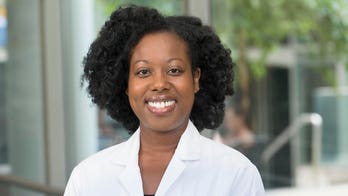
Dr. Cynara Coomer is an assistant professor of surgery specializing in breast health and breast cancer surgery at Mount Sinai Medical Center in New York City. She is a FOX News Health contributor providing medical expertise on a variety of topics in cancer research with a focus on women’s health, breast diseases and tips for healthy breasts at any age.

Surgical Options for Breast Cancer Patients

Monday, October 26th, 2009
Dr. Cynara Coomer

Dr. Cynara Coomer

The most common surgery for breast cancer these days is a lumpectomy, which is considered breast-conserving therapy. If patients choose to undergo this surgery, it has to be combined with radiation therapy, which can be administered in the form of external radiation, where the whole breast is radiated, or partial breast radiation called brachytherapy.

Another option for surgically treating breast cancer is by mastectomy. Mastectomies remove all the breast tissue, but nowadays, most women are candidates for immediate breast reconstruction done during the same operation.

When reconstruction is used, women can have either a skin-sparing, areola-sparing, or nipple-sparing mastectomy. This is where the skin and/or the areola and nipple are preserved, which improves the cosmetic outcome dramatically. The type of breast cancer that a woman has will determine which of these procedures is appropriate.

Reconstruction can be performed by using implants or tissue transplanted from other areas of the body. Most commonly, abdominal fat is used, which results in a tummy tuck.

Some patients may need to have chemotherapy prior to surgery. Although this is not proven to improve the survival outcomes, it increases the surgical options and may potentially decrease the risk of local recurrence in the breast.

There are so many more options for women these days for surgically treating breast cancer, and they should be discussed with a breast surgeon.

Dr. Cynara Coomer is an assistant professor of surgery specializing in breast health and breast cancer surgery at Mount Sinai Medical Center in New York City. She is a FOX News Health contributor providing medical expertise on a variety of topics in cancer research with a focus on women’s health, breast diseases and tips for healthy breasts at any age.

Think Pink: Mammogram Abnormalities

Monday, October 12th, 2009
Dr. Cynara Coomer

Dr. Cynara Coomer

When a woman is told that she has an abnormality on her mammogram and/or breast ultrasound, it’s often a very frightening and emotional experience. Most commonly, a woman may be told that the results are benign, and that she needs to return in 6 months for a repeat study. Generally this means that the finding on the mammogram or the ultrasound is most likely non-cancerous, and the radiologist just wants to confirm that by monitoring the lesion.

But sometimes, the recommendation from the radiologist is that the lesion be biopsied. Obviously this is even more anxiety-provoking, but women should remember that 80 percent of the lesions we biopsy are non-cancerous.

These diagnostic biopsies should almost always be performed as a minimally-invasive needle biopsy as opposed an open surgical procedure. Currently, too many women are undergoing surgery to obtain a diagnosis. Surgery should be generally reserved for therapeutic reasons. Many women undergoing a needle biopsy will not need to have surgery because the results are usually benign.

The most common reasons for undergoing surgery after a needle biopsy is if there is a finding of atypical cells, cancer, a benign lesion that has the potential of having a malignancy associated with it – meaning it may develop or have cancer cells near it. Another reason might be if there is discrepancy between the biopsy and radiology results.

Once there is a need for surgery, you should talk to a breast surgeon/specialist about the different surgical options available to you. Never be afraid to get a second opinion from a surgeon and/or a pathologist.

Next week we’ll talk about surgical options for women once they’ve been diagnosed with cancer.

Dr. Cynara Coomer is an assistant professor of surgery specializing in breast health and breast cancer surgery at Mount Sinai Medical Center in New York City. She is a FOX News Health contributor providing medical expertise on a variety of topics in cancer research with a focus on women’s health, breast diseases and tips for healthy breasts at any age.

You Won’t See THIS on TV…

Wednesday, August 26th, 2009

dr_manny_blog2Ask, and you shall receive…

Here at FOX News Health, it’s been our mission to provide you with the best health news coverage available on the Web.

Now, we’re taking that coverage a step further, with a new 30-minute weekly show, exclusively for FOXNews.com. The “Ask Dr. Manny” show will extend the lead in health coverage that you, the viewers, have helped us to achieve.

Because of your positive feedback and constant hunger for more information, we’ve combined some of our best features — and added some new ones, to bring you a dynamic show that covers all areas of health and medicine — from skincare to sex and weight loss — we’re even sharing the secrets to living a longer life!

Each week, we’ll be tackling a new topic, providing viewers with vital health information by taking a look into the lives of real people, answering your e-mails, and getting to the bottom of health news making headlines — with a little help from our resident know-it-all Dr. Cynara Coomer.

And remember, this isn’t like any old trip to the doctor — so you can count on it being fun and entertaining — but you’ll still be healthier after tuning in.

“Ask Doctor Manny” will premiere next Wednesday, September 2nd at 4 p.m. EDT on “The Strategy Room.”  Then every following Wednesday at 4 p.m. we’ll bring you a new, web-exclusive episode. 

And if you can’t catch it at its regular time — we’ve got you covered! You can check out what you’ve missed after the show airs by logging onto foxnewshealth.com. After airing on the Strategy Room every episode will be there!  Think of it as your own DVR full of vital health and medical information.

For a sneak peak at some of the highlights, click here: Ask Dr. Manny Show  …and let us know what you think by e-mailing drmanny@foxnews.com!

And as always, thanks for counting on us to keep you informed!

Thanks,
Dr. Manny

Q&A: Colorectal Cancer

Wednesday, August 19th, 2009

109_coomer1. What is the difference between colon cancer and rectal cancer?
Colon and rectal cancers are actually very similar — but the difference lies in what part of the large intestine the cancer affects. The colon and rectum make up a long, muscular tube that most people know as the large intestine. The first part of the large intestine is the colon and at the end of it is the rectum.

Cancers in the colon and rectum usually grow slowly and may start as benign polyps. These polyps are found during a colonoscopy, and early removal of polyps may prevent it from becoming cancer. Over 95 percent of colon and rectal cancers start in the cells that line the inside of the large intestine.

Cancer of the colon and/or rectum is the third leading cause of cancer in men and the fourth leading cause of cancer in women worldwide.

2. Who is at risk for colorectal cancer?
There are several risk factors for developing cancer of the colon and/or rectum including:

  • Age — people aged 50 and over should be screened, with frequency depending on medical history;
  • Medical history — a personal history of polyps or colorectal cancer increases your risk;
  • Family history — a family history of colon cancer also raises your risk of developing the disease;
  • Inherited syndromes — certain syndromes such as Familial Adenosis Polyposis (FAP) also increase your chances of developing colorectal cancer;
  • Ethnicity — Studies have shown higher incidence of colorectal cancer in African-Americans and Ashkenazi Jews;
  • Diet & lifestyle — diets high in red meat and overcooked foods, smoking, obesity, heavy alcohol consumption are all risk factors;
  • Overall health — underlying conditions like type 2 diabetes can increase your chances of developing colon and/or rectal cancer.

3. What is the treatment and survival rate for rectal cancer?
Surgery is usually the most common treatment for stages I, II and III rectal cancer — although radiation and chemotherapy will often be given before surgery to try and shrink the tumor and kill off cancerous cells in affected tissue.

There are several types of surgery for rectal cancer. Stage IV rectal cancer is treated primarily with chemotherapy and palliative surgery, if necessary. Palliative surgery provides a treatment that will relieve a problem (such as a bowel obstruction) but does not lead to a cure.  In the case of obstruction, a colostomy surgery would be performed.

4. What does it mean to have a permanent colostomy bag?
Colostomy is a surgical procedure that brings a portion of the large intestine (colon) through the abdominal wall. Waste (stools) moving through the colon drain into a bag that is attached to the abdomen. It is done when the cancer is removed from the rectum or to bypass an obstruction caused by colon cancer. 
 
Contrary to people’s perception, having a colostomy bag is hygienic and can be very discreet because the bag can be well-hidden under clothing.
 
For some patients suffering from rectal cancer, colostomy surgery may be part of a curative treatment, while for others, it may be relief for an incurable situation. But either way — patients who are candidates for this procedure often see significant improvements in their quality of life.

5. What do you think about the trend of patients trying to treat themselves with herbal remedies?
I think that including alternative treatments with conventional medicine can be very beneficial to patients as long as it’s under the guidance of a medical doctor who supports this course of treatment and monitors a patient’s progress and overall health. I certainly don’t think that alternative treatments should replace conventional therapy and patients need to be careful because there are a lot of scams out there that may or may not be harmful, and can take a financial toll.

6. What are some of the reasons a person might seek alternative treatment?
One of the most effective uses of alternative medicine in cancer patients is to alleviate pain associated medical treatment. For example, acupuncture has been proven to help with pain and other negative side effects like nausea brought on by chemotherapy or surgery. Certain types of relaxation therapy can relieve anxiety associated with a course of conventional treatment. And there are some natural herbs that aid in calming nausea or vomiting — which are often side effects of chemotherapy.

So for patients who want to use alternative medicine to alleviate negative side effects of medical treatment or to enhance the healing effects of conventional therapy — physician-monitored alternative treatments can help. But again, there is no evidence to support alternative therapies being used in place of conventional medicine — whereas we have a wealth of evidence supporting the effects of chemotherapy, radiation and surgery in the treatment of cancer.

8. What advice do you have for people thinking of skipping out on medical treatment and trying alternative therapies for cancer?
Often when people are initially diagnosed with cancer, they often don’t feel sick (especially if the cancer is caught early) so a lot of times, the thought of going through medical treatment seems beyond the realm of comprehension.

There are no regulations for alternative treatments, and in most cases, no proof they work. If doctors give a medication and patients have severe negative side effects — that medication is studied and pulled from the market. But with a lot of these herbal remedies, there is no proof that these treatments work. Each patient is different and each situation is different. So what a patient really needs to consider when they talk to their doctor about their diagnosis, is how much they really want to risk.

It comes down to what your current treatment options are, and their effect on your quality — and ultimately quantity — of life.

Dr. Cynara Coomer is an assistant professor of surgery specializing in breast health and breast cancer surgery at Mount Sinai Medical Center in New York City. She is a FOX News Health contributor providing medical expertise on a variety of topics in cancer research with a focus on women’s health, breast diseases and tips for healthy breasts at any age.

Sunblock 101

Thursday, July 2nd, 2009

109_coomerThe Fourth of July weekend is here and whether you’re planning a barbecue at a park, the beach or in your own backyard, don’t forget the sunblock. Sunblock is a major factor in protecting you from getting skin cancer from sun exposure.  According to The Skin Cancer Foundation, “more than 90 percent of all skin cancers are caused by sun exposure and sunscreens are a key weapon in the arsenal against the disease.” 

So, here are some of the answers to what people want to know about sunblock.
 
What makes the sun harmful?
 
There are two types of ultraviolet (UV) radiation that the sun emits.  They are UVA and UVB rays.  UVB rays are the rays that cause sunburn.  UVA rays penetrate the skin more deeply and cause long-term damage, such as wrinkling, leathering, sagging, and other effects of aging.
 
What is the UV Index?
 
The UV Index provides a forecast for the risk of overexposure to the sun.  Knowing the UV Index gives you an idea about the dangers of overexposure to the sun when you are working or playing outside.  It is calculated on a daily basis by the National Weather Service and the Environmental Protection Agency.  The measurement is based on the clouds and local conditions that will affect the amount of UV rays to hit the ground. 
 
It ranges from zero to 10+.  Zero implies a low risk of overexposure to the UV rays of the sun and 10+ is a very high risk of overexposure.  For the average person, a UV Index of 3 to 5 is a moderate risk of overexposure to the sun
 
How can we protect ourselves from the harmful effects of sun?
 
o Limit your exposure to direct sun, i.e., spend time in the shade.
o Wear protective clothing if you’ll be in the sun for along periods of time, especially, a wide brim hat.
o Whether you’re in the direct sun or in the shade, use sunblock with a SPF of 15 or higher.

What is SPF?
 
SPF is an acronym for Sun Protection Factor.  It is laboratory measurement of a sunscreen’s ability to filter the UVB rays to prevent sunburn.  The higher the SPF, the more protection it provides against the sun.  In other words, if you burn in eight minutes and you use a sunblock with a SPF of 10, it will take you 80 minutes to burn.  If you use SPF 15, it will take 120 minutes for you to burn. 
 
In reality, the protection provided depends on several factors:  The person’s skin type, the amount applied and the frequency of application, activities that are engaged in while the product is on, and amount of sunscreen that is absorbed into the skin.
 
How should you apply sunblock?
 
Frequently and liberally!  Despite the fact that it adds hours on to the time it takes for a person to burn, it is best to apply it at least every two hours.  Apply it more frequently, if you are swimming or sweating.  It should also be applied liberally — one ounce per use.  Therefore, if you buy an 8 ounce bottle, it should only last for 8 uses.
 
Which is the best number to get?
 
Anything above SPF 15 is best.  SPF 15 will filter out 92 percent of the UVB rays, SPF 30 will filter out 97 percent of the rays and SPF 50 will filter out about 98 percent. 
 
Whatever number you get, remember to apply it frequently and liberally!
 
What is the best kind to get? 
 
It does not have to the most expensive one on the shelf to be the most effective.  You should look for ones that filter the UVA and UVB rays.  Look for ones that are waterproof or sweatproof.  Needless to say, take waterproof and sweatproof with a grain of salt.  If you go swimming for more than a quick dip and you’re sweating more than a droplet on your forehead, it’s not enough to apply it once.  If you go swimming, apply it again when you come out of the water.  If you’re sweating, apply it more frequently.
 
Are there clothes that have SPF?
 
A regular white T-shirt has an SPF of 3.  There are clothes that are made with zinc oxide and can provide an SPF of 30.  Tighter knit clothing also provides some protection.  Always try to wear a wide-brim hat to give more protection too. 
 
Am I protected from the UV rays in the shade?
 
The shade does provide some protection but the UV rays of the sun can reflect off the water, sand, concrete, and snow (not usually a problem in the summer!) and then penetrate the skin.  So sitting in the shade does provide good protection, but you still need to apply sunscreen.
 
And remember, whether you’re walking on the beach or just sitting on the porch reading a book, it’s always a good idea to have a bottle of sunblock close by. It’s a key factor in reducing your risk of developing skin cancer.

If you have questions about protecting yourself from the harmful rays of the sun or skin cancer – email Dr. Manny at Drmanny@foxnews.com.

Dr. Cynara Coomer is an assistant professor of surgery specializing in breast health and breast cancer surgery at Mount Sinai Medical Center in New York City. She is a FOX News Health contributor providing medical expertise on a variety of topics in cancer research with a focus on women’s health, breast diseases and tips for healthy breasts at any age.

Cookie Dough Recall Q&A: Understanding E. Coli

Friday, June 19th, 2009

109_coomerNestle USA is voluntarily recalling all of their Toll House refrigerated cookie dough products today after reports of a possible E. coli outbreak linked to the ingestion of raw cookie dough. The FDA and the CDC are investigating reports of 66 cases of illness across 28 states related to these Toll House products. Now, I’m sure we’ve all indulged in a handful of raw cookie dough at one point or another, but this recall is just another reminder (aside from the WARNING printed on the label) — that it’s not safe to eat until it’s heated!

Because of the popularity of these products, we’ve been getting a lot of questions about E. coli, its symptoms and how to prevent infection. Here’s a quick Q&A to help clear things up for you.

What is E. coli?
E. coli is a kind of bacterium called Escherichia coli that lives in the digestive tracts of animals and humans. There are many different strains of E. coli bacteria, and for the most part, many of them are harmless. But some strains can cause extreme abdominal discomfort, diarrhea, bloody stools and vomiting — while others strains can lead to urinary tract infections, respiratory illnesses, anemia, kidney failure and even death.

Where does it come from?
Contaminated food:
The most common way people in the U.S. become infected with E. coli is from eating contaminated food. In fact, the CDC estimates that 85 percent of E. coli infections come from ingesting infected food or water. Because E. coli bacteria live in the intestines of healthy animals, like cows, it is possible for processed meats to become contaminated. If the contaminated meat is not heated to 160°F during preparation, the bacteria can survive and infect you when you eat it.
Raw foods can also carry E. coli. It’s important to check the labels and make sure that all your dairy products are pasteurized, or heated to kill off bacteria before hitting the store shelves. Raw fruits and vegetables can become contaminated if they come in contact with manure or animal feces.

Contaminated water:
While not as common as foodborne E. coli infections, people can also become ill from drinking or ingesting contaminated water that has not been properly treated. And sometimes, accidentally swallowing lake or pool water that has come in contact with human or animal feces can put you at risk for becoming infected with E. coli.

Person-to-person:
E. coli can also be spread from person-to-person if someone does not wash their hands thoroughly after a bowel movement. This is not as common, but it’s especially important for people who work in the restaurant/food preparation industry because they can spread the bacteria from their hands to other objects — including your dinner! I know it’s not a nice thought, but it happens more often than you think, so it sounds simple, but washing your hands is one of the easiest ways to prevent all kinds of infections.

What are the symptoms?
Symptoms usually start 3-4 days after exposure to the bacteria and can include:

  • Stomach cramps
  • Diarrhea
  • Bloody stools
  • Nausea
  • Vomiting
  • Mild fever
  • Dehydration

Who is at risk?
People of all ages can become infected with E. coli, but the risk for serious complications is higher for young children, the elderly and those with compromised immune systems or underlying health problems.

How is it treated?
E. coli infections will usually clear on their own in about a week in a healthy person and treatment involves resting and staying hydrated. Often, people just assume they have a stomach bug and don’t go to the doctor, so they don’t know that E. coli caused their illness, but a simple stool test can diagnose the condition. As a rule of thumb, you should contact your physician any time there is blood in your stool.

  • How can E. coli infection be prevented?
    Wash your hands thoroughly after using the bathroom and before preparing or eating food;
  • Cook meats thoroughly at a temperature of at least 160°F/70°C (use a thermometer to test the meat if you’re not sure);
  • Do not drink raw milk, unpasteurized dairy products, and unpasteurized juices (like fresh apple cider);
  • Avoid swallowing water when swimming or playing in lakes, ponds, streams or swimming pools;
  • When traveling abroad to countries that may have unsafe drinking water, don’t drink tap water or get ice in your drinks. Also, avoid raw fruits and vegetables, except those with skin that you can peel yourself;
  • Wash your hands often, and always wash them after you use the bathroom or change diapers — it’s the best way to prevent infection with any bacteria.

Dr. Cynara Coomer is an assistant professor of surgery specializing in breast health and breast cancer surgery at Mount Sinai Medical Center in New York City. She is a FOX News Health contributor providing medical expertise on a variety of topics in cancer research with a focus on women’s health, breast diseases and tips for healthy breasts at any age.

Alternative Therapies: Worth the Risk?

Thursday, June 11th, 2009

109_coomerI recently read an article about a cancer patient who chose to use herbal remedies over a surgical procedure that could quite possibly have saved her life. Leslee Flasch was barely 50 years old when doctors told her she would need surgery for her rectal cancer that would leave her wearing a colostomy bag for the rest of her life. She had tried other conventional therapies, but refused surgery and turned to herbal supplements she had researched on the Internet. Her condition worsened and she eventually died.

This story is just the latest in what seems to be a growing trend of alternative treatments breaking into mainstream medicine — and in some cases, replacing it. In fact, a recent report even suggests that 60 percent of cancer patients try herbal remedies — and sometimes, the consequences are deadly.

Leslee Flasch’s story has prompted some questions about colorectal cancer and about the treatment of cancers with alternative therapies, so I sat down to answer some of them here. 

1. What is the difference between colon cancer and rectal cancer?
Colon and rectal cancers are actually very similar — but the difference lies in what part of the large intestine the cancer affects. The colon and rectum make up a long, muscular tube that most people know as the large intestine. The first part of the large intestine is the colon and at the end of it is the rectum.

Cancers in the colon and rectum usually grow slowly and may start as benign polyps. These polyps are found during a colonoscopy, and early removal of polyps may prevent it from becoming cancer. Over 95 percent of colon and rectal cancers start in the cells that line the inside of the large intestine.

Cancer of the colon and/or rectum is the third leading cause of cancer in men and the fourth leading cause of cancer in women worldwide.

 
2. Who is at risk for colorectal cancer?
There are several risk factors for developing cancer of the colon and/or rectum including:

  • Age — people aged 50 and over should be screened, with frequency depending on medical history;
  • Medical history — a personal history of polyps or colorectal cancer increases your risk;
  • Family history — a family history of colon cancer also raises your risk of developing the disease;
  • Inherited syndromes — certain syndromes such as Familial Adenosis Polyposis (FAP) also increase your chances of developing colorectal cancer;
  • Ethnicity — Studies have shown higher incidence of colorectal cancer in African-Americans and Ashkenazi Jews;
  • Diet & lifestyle — diets high in red meat and overcooked foods, smoking, obesity, heavy alcohol consumption are all risk factors;
  • Overall health — underlying conditions like type 2 diabetes can increase your chances of developing colon and/or rectal cancer.

 
3. What is the treatment and survival rate for rectal cancer?
Surgery is usually the most common treatment for stages I, II and III rectal cancer — although radiation and chemotherapy will often be given before surgery to try and shrink the tumor and kill off cancerous cells in affected tissue.

There are several types of surgery for rectal cancer. Stage IV rectal cancer is treated primarily with chemotherapy and palliative surgery, if necessary. Palliative surgery provides a treatment that will relieve a problem (such as a bowel obstruction) but does not lead to a cure.  In the case of obstruction, a colostomy surgery would be performed.

4. What does it mean to have a permanent colostomy bag?
Colostomy is a surgical procedure that brings a portion of the large intestine (colon) through the abdominal wall. Waste (stools) moving through the colon drain into a bag that is attached to the abdomen. It is done when the cancer is removed from the rectum or to bypass an obstruction caused by colon cancer. 
 
Contrary to people’s perception, having a colostomy bag is hygienic and can be very discreet because the bag can be well-hidden under clothing.
 
For some patients suffering from rectal cancer, colostomy surgery may be part of a curative treatment, while for others, it may be relief for an incurable situation. But either way — patients who are candidates for this procedure often see significant improvements in their quality of life.

5. What would Leslee Flasch’s quality of life have been like if she had sought conventional treatment?
There’s still a lot we don’t know about this particular case. But I can say that If her cancer was caught in the in the early stages, the chances of her being cured would have been very good.  Colorectal cancer is almost always treatable if caught early.  She may not have required a colostomy if the cancer was treated in the very early stages when it was still small in size. 

Even in stage II and III, she could have been treated with surgery and chemotherapy and had an excellent prognosis. If she had agreed to a colostomy, she would have been able to return to her normal activities and lifestyle — and nobody would even be aware of the bag. 

In general, when treated at an early stage, most colorectal cancer patients survive at least 5 years. If the disease does not come back during this time, they are considered cured. Stages I, II, III are considered potentially curable.  Once the cancer spreads to other areas of the body (stage IV), the 5-year survival rate drops, and most cases are not curable.

6. What do you think about this trend of patients trying to treat themselves with herbal remedies?
I think that including alternative treatments with conventional medicine can be very beneficial to patients as long as it’s under the guidance of a medical doctor who supports this course of treatment and monitors a patient’s progress and overall health. I certainly don’t think that alternative treatments should replace conventional therapy and patients need to be careful because there are a lot of scams out there that may or may not be harmful, and can take a financial toll.

7. What are some of the reasons a person might seek alternative treatment?
One of the most effective uses of alternative medicine in cancer patients is to alleviate pain associated medical treatment. For example, acupuncture has been proven to help with pain and other negative side effects like nausea brought on by chemotherapy or surgery. Certain types of relaxation therapy can relieve anxiety associated with a course of conventional treatment. And there are some natural herbs that aid in calming nausea or vomiting — which are often side effects of chemotherapy.

So for patients who want to use alternative medicine to alleviate negative side effects of medical treatment or to enhance the healing effects of conventional therapy — physician-monitored alternative treatments can help. But again, there is no evidence to support alternative therapies being used in place of conventional medicine — whereas we have a wealth of evidence supporting the effects of chemotherapy, radiation and surgery in the treatment of cancer.

8. What advice do you have for people thinking of skipping out on medical treatment and trying alternative therapies for cancer?
Often when people are initially diagnosed with cancer, they often don’t feel sick (especially if the cancer is caught early) so a lot of times, the thought of going through medical treatment seems beyond the realm of comprehension.

There are no regulations for alternative treatments, and in most cases, no proof they work. If doctors give a medication and patients have severe negative side effects — that medication is studied and pulled from the market. But with a lot of these herbal remedies, there is no proof that these treatments work. Each patient is different and each situation is different. So what a patient really needs to consider when they talk to their doctor about their diagnosis, is how much they really want to risk.

It comes down to what your current treatment options are, and their effect on your quality — and ultimately quantity — of life.

Leslee Flasch is a perfect example of someone whose quality and quantity of life could have been extended by conventional therapy.

Dr. Cynara Coomer is an assistant professor of surgery specializing in breast health and breast cancer surgery at Mount Sinai Medical Center in New York City. She is a FOX News Health contributor providing medical expertise on a variety of topics in cancer research with a focus on women’s health, breast diseases and tips for healthy breasts at any age.

Cancer Q&A: Farrah Fawcett’s Battle

Tuesday, May 12th, 2009

109_coomerThe topic of anal cancer has gotten a lot of media attention lately because of Farrah Fawcett’s very public battle with the disease. And it’s raised a lot of important questions about advances in cancer treatment and the future for patients fighting the battle of their lives.

tanya_qWhat is anal cancer and who is at risk for it?

tanya_aAnal cancer is characterized by the growth of a tumor around the anus ― which is opening at the end of the intestinal tract — and it’s completely different from colon cancer. A large proportion of anal cancers have tested positive for human papillomavirus (HPV), which is a sexually transmitted disease, but this isn’t the only cause.

Other patient populations at a greater risk for developing anal cancer include patients with multiple sexual partners, those who participate in anal intercourse, smokers, people with immunosuppressive diseases, such as HIV, and people with chronic inflammatory bowel diseases.

———————————————————————————————————————————-

tanya_qWhat is the treatment for anal or intestinal cancer?

tanya_aIf it’s caught early, the most common treatment for anal cancer is surgery. But in patients whose cancer affects the anal sphincter, having surgery to remove the tumor and cancerous cells can lead to fecal incontinence causing the need for a permanent colostomy. So often for these patients, radiation and chemotherapy may be the preferred course of treatment. For later stage anal cancers, doctors treat patients with a combination of radiation and chemotherapy.

———————————————————————————————————————————–

tanya_qWhat is the cure rate for anal cancer?

tanya_aWell ― like any cancer, early detection greatly increases the chance of survival. If it’s caught in the early stage, there is an 86 percent five year survival rate. If the cancer has spread to the lymph nodes, the survival rate decreases to 54 percent. Up to 10 percent of patients treated for anal cancer will develop cancer elsewhere in the body.

———————————————————————————————————————————–

tanya_qWhat kind of advances are we making in cancer research?

tanya_aWe have made advances with regard to the surgical treatment of cancers by offering minimally invasive surgeries. In some cases, we’re able to provide surgical treatments with less negative side effects and shorter recovery time. Clinical studies have shown that other treatments like radiation and chemotherapy may be just as effective as surgery without many of the negative side effects.

With regard to medical treatments, there have certainly been advances in the kinds of treatments we’re using. New medical technologies are making it possible for doctors to individualize a patient’s treatment by studying the genetic makeup of their particular cancer — ultimately decreasing the chances of recurrence or spread of the cancer, and increasing a patient’s survival outcome.

———————————————————————————————————————————-

tanya_qWhat are the major milestones/accomplishments we’ve seen in cancer research recently?

tanya_aWell again, one of the major milestones is being able to identify the genetic makeup of cancers individual to each patient.

The other advancement is the research that’s been done in molecular-targeted therapies. These therapies target the development of cancers by inhibiting the growth of the disease at the cellular level — which we hope will be able to limit or potentially even stop the cancer from spreading.

Molecular-targeted therapy is a more specific treatment than chemotherapy, because chemo treatment kills off not only the bad cells — but also the healthy cells in the body. So with a therapy that is very specific in its attack of cancerous cells, the hope is that it should more be effective in stopping the development of the cancer.

———————————————————————————————————————————-

tanya_qWhat are some tips for preventing cancer?

tanya_aWe’ve all heard it time and time again — good health comes from making healthy choices. So my first tip would be stop smoking! I’m sure I don’t have to tell you, cigarettes are full of cancer-causing agents and have been linked to the development of many cancers in the body.

Second, everything in moderation including alcohol! If you’re the kind of person who enjoys a nice cocktail, make sure you do it in moderation, which means 1 or 2 glasses — preferrably of red wine — or else,  just avoid alcohol all together.

Make healthy dietary choices. Try to maintain a diet rich in omega-3 fatty acids and fruits and vegetables. Both provide essential nutrients and antioxidants which help ward off disease. Limit the amount of read meat you consume, since high levels of it have been linked to certain cancers.

Recent studies have shown that vitamin D may play an important role protecting against the development of certain diseases. Because exposure to small amounts of sunlight causes the body to produce healthy amounts of vitamin D, people who live in cold environments or places with extended seasons of darkness may want to consider getting their vitamin D levels checked and taking supplements.

And finally — know your family history so you can better determine your risk for other cancers, because your screenings for certain cancers may start earlier than what is recommended to the general population, and preventive therapies may be an option for you.

Dr. Cynara Coomer is an assistant professor of surgery specializing in breast health and breast cancer surgery at Mount Sinai Medical Center in New York City. She is a FOX News Health contributor providing medical expertise on a variety of topics in cancer research with a focus on women’s health, breast diseases and tips for healthy breasts at any age.

Close
E-mail It