FOX Health

Posts Tagged ‘Dr. Marc Siegel’

H1N1 Swine Flu Update

Tuesday, October 6th, 2009

siegel1Here is the latest about the novel A(H1N1) swine flu pandemic virus, and what we are doing about it. Also check out my new Ebook: “Swine Flu; the New Pandemic.”

The best way to decrease the amount of circulating AH1N1 flu virus is to vaccinate as many people as possible. This is known as herd immunity.

The current H1N1 though mild, has infected millions and hospitalized more than 10,000 here in the U.S., killing close to 1000, so mass vaccination is warranted.

Unfortunately, once the vaccination program starts, it will be TOO easy to blame ANY deaths on the vaccine. This happened in Great Britain with the HPV Vaccine, where Cervarix is expected to cut deaths from cervical cancer by 650 and 1.4 million women have already been vaccinated, the vast majority with no problems. Yet a single death which was later found to be unrelated to the vaccine caused hysteria.

Though the 1976 swine flu vaccine was linked to several hundred cases of Guillain Barre Syndrome (paralysis) for a pandemic that never happened, this time there is a real pandemic, and the vaccine has been well studied in clinical trials and found to be very safe and has not been linked to GBS.

This vaccine is made the same as the yearly flu vaccine, with hen eggs, and will be just as safe, with the major complication in the vast majority of cases being local irritation around the injection site.

In discussions with senior officials at the CDC I have determined that it is acceptable to give both the seasonal flu shot and the H1N1 swine flu shot at the same time.

The CDC also recommends H1N1 vaccines even for those who believe they have had the disease. Serological tests to confirm immunity are considered unreliable and are not readily available.

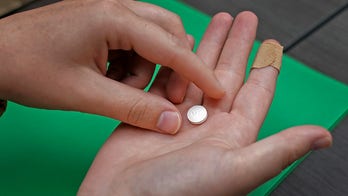
The flu mist inhaled vaccine is being released this week. Since it is using an attenuated (weakened) live virus, it should not be given to pregnant women, those with chronic conditions, or those who are immunocompromised. It has also not been tested in the elderly.

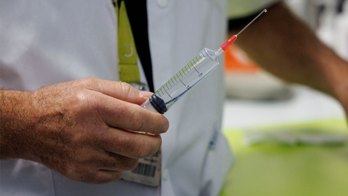
The injectable inactived H1N1swine flu vaccine will start becoming available in two to three weeks. It uses an inactivated (dead) virus, and can NOT give you the flu. It is safe in all except for those with severe egg allergies. It should be given first to health care workers, pregnant women, children, and those with chronic conditions. 250 million doses should be available by sometime in November, and I will be recommending it for all.

Swine flu parties are a bad idea. They are an example of deliberate infection to provoke immunization. Since flu is so easily transmissable, it can easily get beyond the party and spread to someone who is more likely to have a severe outcome, such as a pregnant woman, a young child, or someone with a chronic condition.

The risk of the flu is far greater at this point than the risk of the vaccine. It is still a very mild virus, but must be taken seriously, as flu is tricky, and can kill. Coming out of the southern hemisphere, whose winter just ended, the prevailing strain of H1N1 swine flu is a good match for the vaccine.

For daily updates on the H1N1 swine flu strain, twitter me at marcsiegelmd.  I will post my latest articles, updates, and answer questions.

Dr. Marc Siegel is an internist and associate professor of medicine at the NYU School of Medicine. He is a FOX News medical contributor and writes a health column for the LA Times, where he examines TV and movies for medical accuracy. Dr. Siegel’s new Ebook: Swine Flu; the New Pandemic, will be published in early October. Dr. Siegel is also the author of “False Alarm: The Truth About the Epidemic of Fear and “Bird Flu: Everything You Need to Know About the Next Pandemic.” Read more at www.doctorsiegel.com

Q&A: The Mystery Surrounding Michael Jackson’s Death

Thursday, July 9th, 2009

siegel1Q: What are the drugs that have been mentioned in connection with Jackson’s death and how do they work?
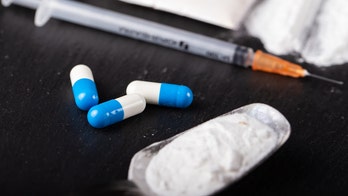
A: Propofol (Diprovan): A powerful intravenous sedative — not a DEA controlled substance — was found on the premises. It is used by anesthesiologists to put a patient to sleep before general anesthesia and surgery, or alone in a surgical suite for an elective procedure such as a colonoscopy or biopsy. Only small doses are necessary to be effective, and it can easily be misused by an untrained health professional leading to a respiratory arrest.

Narcotics: Demoral, Percocet, Vicodan — there are varied reports of prescriptions for these being found. All can lead a patient to stop breathing or sustain a cardiac arrhythmia and cardiac arrest if overdosed — especially if used in combination. These are controlled substances and prescriptions are subject to DEA review. Misuse can lead to loss of license or criminal prosecution.

Sedatives: A prescription for Xanax was reportedly found. This can also lead to supressed breathing.

Q: What are the questions about substandard care that surrounded Jackson’s death?
A:
Excess prescriptions of narcotics and sedatives. When he stopped breathing, no opiate antagonist (narcan) was given to reverse the effects of narcotics. The doctor in residence did not coordinate the 911 call. CPR was done on the bed without a backboard, rather than on the floor where more force could be administered to the heart. No defibrillator was available, and no mouth-to-mouth breathing was reportedly given.

Q: Why is there a delay in getting the autopsy results?
A:
The initial autopsy apparently showed no structural damage to the heart to explain his death. There is speculation that prescription drugs contributed to or caused Jackson’s sudden death, and initial toxicology reports may soon be ready. More extensive reports take longer because they look at blood and hair to quantify the exact amounts and combinations that could have led to his death. This will include a microscopic examination of the brain itself, which could show the effects of drugs and help determine the exact cause of death.

Dr. Marc Siegel is an internist and associate professor of medicine at the NYU School of Medicine. He is a FOX News medical contributor and writes a health column for the LA Times, where he examines TV and movies for medical accuracy. Dr. Siegel is the author of “False Alarm: The Truth About the Epidemic of Fear and “Bird Flu: Everything You Need to Know About the Next Pandemic.” Read more at www.doctorsiegel.com

Peanut Terrorists

Monday, February 9th, 2009

siegel1How afraid should we be of peanuts and peanut butter? The answer is: Not as afraid as we currently are. Before the current scare, we were already overly fearful of peanut allergies. True, peanut allergy is the most common cause of food-related death, but this tragic event is very rare, affecting approximately one per 830,000 children with food allergy every year. The prevalence of peanut allergy is about 1percent — this incidence appears to be on the rise, but the perception of allergy even where it doesn’t truly exist is rising even faster. This exaggerated perception is due to fear. As I describe in my book “False Alarm: the Truth About the Epidemic of Fear,” we tend to personalize and hype publically-touted risks, and peanut allergy is a prime example.

Now, along comes Peanut Corp. of America, with its unsanitary conditions, primed for contamination, and worse, its history of knowingly shipping salmonella-laced products to manufacturers. With all the attention this problem has received, it is hard to believe that the contaminated peanut butter traced to the Georgia plant is only a small amount of the total $800 million in annual sales by the peanut butter companies in the United States. Common peanut butter products including Jif, Skippy and Peter Pan are not affected, though peanut butter sales overall are down 25 percent and continue to drop. Keep in mind that though the bacterial outbreak has been linked to just 575 cases and 8 deaths, more than 1,500 products have now been recalled by the FDA. This may be a wise precaution, but it is also important that we in the news media learn to properly context this kind of message so we don’t spread unnecessary fear.

I believe it is important that we learn a new language of risk.

It is possible to publically expose shoddy and even criminal practices among our food manufacturers without this leading automatically to the conclusion that all of our food is unsafe. If you still have a recalled peanut cookie or cracker in your closet, and you accidentally bite into it, the chances of you becoming ill from a harbored salmonella is extremely small.

Terrorists of all kind can kill us. But the fear and perceived risk they spread is always far greater than the actual risk.

Dr. Marc Siegel is an internist and associate professor of medicine at the NYU School of Medicine. He is a FOX News medical contributor and writes a health column for LA Times, where he examines TV and movies for medical accuracy. Dr. Siegel is the author of “False Alarm: The Truth About the Epidemic of Fear and “Bird Flu: Everything You Need to Know About the Next Pandemic.”  Read more at www.doctorsiegel.com

Mixing Medications as You Age

Monday, December 29th, 2008

siegel1I’ve been concerned for a long time about the tendency that my patients have to mix their medications with over-the-counter treatments and herbs. This is not a safe or wise approach, though most of the time, no major side effects occur.

Just this week, a patient called me to say she had a cold and wondered if she could take a common over-the-counter cold medication. On the surface it seems like an easy question with an automatic “yes” answer — except for one thing. She was taking the kind of antidepressant medication that can raise blood pressure, and the cold medicine she had in mind contains Sudafed, which can also raise BP. So my answer was actually “no.” More importantly, I felt glad she thought to ask me the question, as too many patients don’t think they need to discuss over-the-counter aspirin, Tylenol, or cold medicines with their doctors.

According to a new study in the Journal of the American Medical Association, approximately 2.2 million or 1 in 25 older adults, are at risk for potential major drug-drug interaction. Men are at greater risk than women. The study looked at close to 3 thousand people aged 57 to 85.     

The problem often occurred because of mixing prescription drugs with over-the-counter drugs and dietary supplements, which also contain active chemicals. Frequent problems involved mixing Coumadin (a blood thinner) with aspirin or garlic (which also thin blood), or mixing a cholesterol-lowering statin with dietary niacin (lowers cholesterol and can effect the liver). Aspirin, when taken with gingko, can also increase the risk of bleeding. Certain blood pressure medicines (lisinopril) can raise potassium, and many patients were also taking potassium at the same time (for use with diuretics). Unfortunately, these different and potentially conflicting drugs are often prescribed by different doctors, and there is no one who has the entire list or is coordinating care.
     
Here is my take:

1. This study brings home the point that physicians need to be in the loop on ALL medications their patients are taking, including over-the-counter pills and supplements.

2. Doctors need to address this with each and every patient and to go over potential interactions.

3. Elderly patients have SLOWER metabolisms, so the risk of a major complication from medicines competing with each other to be removed by the liver or kidney is much greater.

4. The Institute for Safe Medication Practices has an excellent Website which goes over medications at high risk for misuse as well at the latest news. They have recently launched a new website for the consumer, www.consumermedsafety.org, which is very accessible and user friendly.

5. Any concerns raised by reading this information, should NOT lead to automatically stopping medications that may be important, but rather should lead to a clarifying consultation with your physician.

Dr. Marc Siegel is an internist and associate professor of medicine at the NYU School of Medicine. He is a FOX News medical contributor and writes a health column for LA Times, where he examines TV and movies for medical accuracy. Dr. Siegel is the author of “False Alarm: The Truth about the Epidemic of Fear and “Bird Flu: Everything You Need to Know About the Next Pandemic.”  Read more at www.doctorsiegel.com

Drinkers Beware: Holiday ‘Spirits’ May Make You Fat

Wednesday, December 17th, 2008

At a time when we are all feeling the economic crunch, it is too easy to turn to comfort foods as a way to make us feel better. But this short-term pleasure can have a long-term “cost” to our health. And comfort sugars and comfort fats often sneak their way into our stomachs from what we drink as well as from what we eat.

We tend to think of diet as involving food, but it also involves drinks. Especially around holiday time, where too many beverages may contain fattening creams. Since almost two thirds of all Americans are overweight, we can ill afford these indiscretions, which can easily turn into bad habits in the new year. Being overweight puts us at risk for heart disease, high blood pressure, diabetes, and some cancers (colon and breast).  Excess sugar is stored by the body as fat, which is not very healthy.

We are too easily fooled by the holiday spirit into drinking things that are bad for us. Take Starbucks, for example, where the number one holiday drink, the peppermint mocha, at 16 oz. has 470 calories and 22 grams of fat (13 grams are saturated). By contrast, if you order the 12 ounce non-fat version without whipped cream, it is only 220 calories and 2 grams of fat (0 grams are saturated). This is a significant difference worth remembering when you reach the Starbucks counter.

The same caution must be taken with alcoholic beverages as with coffee beverages. Hot buttered rum is 418 calories with 17 grams of fat. Eggnog, even without the liquor, is 350 calories with a whopping 19 grams of fat.

By contrast, margaritas have 400 calories but no fat. Of course, the sugar itself is bad enough. Mojitos or martinis are better calorie choices with 180 calories, and most wines are even better yet, with 80-100 calories, and vodka with 70-80 calories (without the mix).

The problem is that few of us will have just one drink around holiday time, and the more drinks we have, the more the calories build up. Sparkling cider may be an alternative, at 140 calories per 8 ounce glass, and we may be less inclined to have more than one.

Dr. Siegel’s Best Tips:

  • Be aware of what you are drinking and how the calories increase with each additional drink.
  • Ask your bartender (not your doctor) what he is putting in the drink you ordered, and be at least vaguely aware of the calorie count (more difficult to do the more you drink).
  • I am a fan of two fisted drinking, meaning alcohol in one hand, water or seltzer in the other. Glasses of water will help you slow down the number of drinks you have while keeping you well hydrated. Water is a much better choice than coffee, which like alcohol, is a diuretic and can dry you out and worsen your hangover.

Dr. Marc Siegel is an internist and associate professor of medicine at the NYU School of Medicine. He is a FOX News medical contributor and writes a health column for LA Times, where he examines TV and movies for medical accuracy. Dr. Siegel is the author of “False Alarm: The Truth about the Epidemic of Fear” and “Bird Flu: Everything You Need to Know About the Next Pandemic.” Read more at www.doctorsiegel.com

Is Happiness Contagious?

Tuesday, December 9th, 2008

In an article recently published in the British Medical Journal, researchers examined the extensive Framingham, Massachusetts data from 1983 to 2003 that looked at a social network of over 4,000 people and their neighbors, acquaintances, friends, and spouses (who actually had less effect on happiness than friends!).  Approximately 50,000 social ties were represented on the questionnaires the subjects filled out. The BMJ study concluded that there was a group happiness factor, that “peoples’ happiness depends on the happiness of others with whom they are connected.  This provides further justification for seeing happiness, like health, as a collective phenomenon.”

Critics of the study quickly pointed out in another study published in the same journal that other environmental factors the subjects had in common may have caused the effects of apparent contagious happiness.

Here is my take:

*   The Framingham data was compiled mainly to study heart disease, but reanalyzing it now to look for social networking clues is interesting. This analysis may lack a certain observer bias. The original researchers who compiled the information could not be influenced since they did not have “happiness” in mind.
*   On the other hand, data obtained about happiness by questionnaire are often weak, and further studies would have to be done before any firm observations could be made. It is quite possible that the perceived socially connected happiness may be another factor that the subjects had in common.
*   But it is certainly interesting to consider that happiness, like worry, may be infectious. In my book “False Alarm; the Truth About the Epidemic of Fear,” I looked at the effects of transmitted worry on the negative health of our society. It is reasonable to consider the opposite – that if those around you are happy and have a positive attitude, you may be less likely to become stressed and ultimately ill. This phenomena could involve emotional as well as hormonal triggers.

The expression “be happy, be healthy,” could end up being more than just a gratuitous expression.

Dr. Marc Siegel is an internist and associate professor of medicine at the NYU School of Medicine. He is a FOX News Medical Contributor and writes a health column for LA Times, where he examines TV and movies for medical accuracy. Dr. Siegel is the author of “False Alarm: the Truth About the Epidemic of Fear” and “Bird Flu: Everything You Need to Know About the Next Pandemic.” Read more at www.doctorsiegel.com

Industrial Chemicals and Infant Baby Formula

Monday, December 1st, 2008

This past Friday, FDA officials stated that less than 1 part per million of the industrial chemical melamine found in infant baby formula is safe. This announcement came after trace amounts of the industrial chemical were found in U.S. formula, and it came two months after 50,000 infants were sickened in China from large amounts of it being put directly into milk. 

The FDA had previously not set a safety limit.                                

Doing so now, with no recent research to back this conclusion, makes no sense.

While I don’t think the amounts found in the U.S. should be sufficient to scare mothers away from formula (esp. those who aren’t able to breast feed), I am very concerned about the FDA’s continued inability to properly police our food. Also, the precedent of allowing ANY amount of this chemical to reside in our food is wrong.

- What is melamine? Melamine is a white powder used in plastic-making. It was first synthesized by a German scientist in the 1830s. Its most common form is melamine resine, a mix with formaldehyde, where it used in the manufacture of formica, floor tiles, whiteboards, and kitchenware. Adding melmine to watered-down milk makes its protein level appear higher because it is high in nitrogen. Criminal merchants use this process to fool inspectors.

- Why the concern? Melamine can be harmful. Since it was discovered in infant formula in September in Asia, more than 50,000 infants have been sickened and 4 have died. It has been tested in animals in small amounts and found not to be toxic. But in high amounts it can be toxic to the kidneys and urinary tract, causing  stones and blocking ducts, manifesting with bloody urine, especially when it mixes with another cheaper chemical, cyanuric acid. Cyanuric acid (a chemical stabilizer in swimming pools) is also used to falsely raise protein content in milk and infant formula, to make them look protein rich.

- Should parents be alarmed? Parents should always be cautious, but the chances of currently available formula causing a problem in your infants is very low.

- What should the FDA do? The melamine problem is a wake-up call to the FDA to set more precise standards and to back them up with increased regulation of products, esp. those coming into the U.S. from other countries. With our current economic troubles, it would be nice to see domestic production favored, especially when the chances of a toxic chemical originating here and going undetected is far less likely. The melamine-contaminated infant formula now found in the U.S. likely originates from a powdered milk ingredient from Asia.

- Is the FDA effective? Keep in mind that there is no real purpose whatsoever to have melamine in food except to fool inspectors. The FDA has been inconsistent and ineffective on melamine risk. The agency needs more teeth – more regulatory power and a larger staff to implement it.

Dr. Marc Siegel is an internist and associate professor of medicine at the NYU School of Medicine. He is a FOX News Medical Contributor and writes a health column for LA Times, where he examines TV and movies for medical accuracy. Dr. Siegel is the author of “False Alarm: the Truth About the Epidemic of Fear” and “Bird Flu: Everything You Need to Know About the Next Pandemic”. Read more at www.doctorsiegel.com

Cholesterol Drugs: To Take or Not to Take

Tuesday, November 18th, 2008

A few years ago, with my LDL cholesterol pushing 125, I decided to start myself on Lipitor with the approval of my own internist. Despite the fact that my father has heart disease, I knew that I was in the category of patients where there were no clearcut guidelines. In fact I knew at the time that most cardiologists would probably say that I was jumping the gun and erring on the side of overtreating. But the latest research would suggest that I was probably right.

As most of my readers know by now, a new landmark study just published in the New England Journal of Medicine, Known as JUPITER, looked at more than 17,000 healthy men and women at multiple centers in the U.S. and Europe with normal cholesterols (LDL less than 130 mg/dl) but with elevated C-Reactive Protein levels. Many scientists believe that high levels of this protein correlates with a high risk of heart disease, though there is by no means a consensus on this.

Previous studies who shown that patients with multiple cardiac risk factors have less heart attacks and strokes when taking a statin drug, but this is the FIRST large study in people with relatively normal cholesterol where taking a statin dramatically affected outcome.

The JUPITER trial was stopped after 2 years because the results were so dramatic – there were half as many heart attacks and almost half as many strokes and unstable angina in the group which received Rosuvastatin (Crestor). I’m sure that these results will lead more doctors to prescribe more statin drugs, expecially Crestor. But the real question is, who should receive the drug and who shouldn’t? Detractors of the study will point out that Astra Zeneca, which makes Crestor, was a sponsor of the study and that it was only two years long. But this doesn’t take away from the dramatic results.

Patients and their doctors who have previously been very conscious of muscle aches that they ascribe to the drug, or are now aware of the possible slight increase risk of diabetes that the study detected, will still have to consider the fact that Crestor and likely other statin drugs appear to dramatically decrease cardiac risk. Here is my take:

*  I will have a much lower threshold for prescribing statin drugs, especially in patients older than 50. (the study looked at men in their 50s and women in their 60s).
*  I will be more inclined to prescribe statins for primary prevention (patients who have no known heart disease) on the basis of cardiac risk factors (family history, smoking, high blood pressure, etc) even when their cholesterol is only mildly elevated (LDL cholesterol between 110 and 130).
*  I will follow CRP levels in patients over 50 years old, especially in those with cardiac risk factors, but I continue to reserve judgment on the specific significance of these results.
*  I will continue to emphasize diet modification, stress reduction, and increased exercise as mainstays of primary prevention of heart disease.
*  I will be glad to see further longer studies on statins, though I recognize the importance of JUPITER.

Dr. Marc Siegel is an internist and associate professor of medicine at the NYU School of Medicine. He is a FOX News Medical Contributor and writes a health column for LA Times, where he examines TV and movies for medical accuracy. Dr. Siegel is the author of “False Alarm: the Truth About the Epidemic of Fear” and “Bird Flu: Everything You Need to Know About the Next Pandemic”. Read more at www.doctorsiegel.com

ER Overcrowded With Whom?

Tuesday, November 4th, 2008

Conventional wisdom has always been that Emergency Rooms are stuffed to overflowing by the uninsured. Without a regular doctor to go to, most health experts say, those without health insurance have little choice but to flock to the ER with the slightest sniffle or fever. An ER visit is quite expensive, but how many of the uninsured end up either receiving or paying these bills?     

When the Centers for Disease Control and Prevention reported that the number of visits to emergency rooms nationally rose 19% from 1995 to 2005, even as the number of hospital ERs fell by 9%, most experts continued to believe that it was the uninsured who were clogging the shrinking ERs. As hospitals relocate to the suburbs, a growing trend, they would likely be dealing with a growing number of insured patients, potentially leaving behind the uninsured blocking their ambulance bays with minor complaints.

Is conventional wisdom correct? Apparently not.

A new study published in JAMA this past week has suddenly called the conventional wisdom into question. The study reviewed 127 articles from 1950 to 2008 and determined that “available data do not support assumptions that uninsured patients are a primary cause of ED overcrowding, present with less acute conditions than insured patients,or seek ED care primarily for convenience.”   

According to this study, uninsured patients are far less likely to visit the ER for non-urgent care than insured patients. 17% of Americans are uninsured, but they account for only 10-15% of ER visits.

What are the likely reasons for this trend?

* Today’s managed care type of health insurance doesn’t give you instant access to your physician for minor problems. There are fewer primary care doctors these days. Unable to get an appointment or timely visit, you may turn to the ER.
* Whereas the uninsured could get hit with a large bill contrary to popular wisdom, on the other hand, an insured patient will only have to deal with the co-pay.
* Uninsured patients may not be in the habit of seeking medical care for minor complaints, whereas health insurance without deductibles may encourage or support hypochondria, or worry that leads to an ER visit.
* Laws keep the ER from turning you away, so if you have insurance, you will be seen and you won’t have to pay for it.

Dr. Marc Siegel is an internist and associate professor of medicine at the NYU School of Medicine. He is a FOX News Medical Contributor and writes a health column for LA Times, where he examines TV and movies for medical accuracy. Dr. Siegel is the author of “False Alarm: the Truth About the Epidemic of Fear” and “Bird Flu: Everything You Need to Know About the Next Pandemic”. Read more at www.doctorsiegel.com

Dr. Siegel’s Take: Aneurysms in the News

Monday, August 25th, 2008

Brain aneurysms have been in the news this past week. First there was the unfortunate sudden death of Congresswoman Stephanie Tubbs Jones (D-Ohio) from a ruptured brain aneurysm at age 58. And now with the nomination for vice president of Senator Joseph Biden (D-Delaware), the public has been reminded of his fortunate survival following the surgical clipping of two brain aneurysms back in 1988.

Aneurysms in the news present an opportunity for educating the public about these scary blood vessel bulgings in the brain.

Biden reportedly had two aneurysms, one on each side of his brain, and they were discovered when he suffered pain in his neck.

A neurological work-up revealed the aneurysms, one of which had leaked slightly. The tiniest amount of blood mixing with the brain’s cerebrospinal fluid (the fluid which surrounds and cushions the brain) can be painful. Pain was an alert to Biden, and in 1988, he had the aneurysms surgically clipped before they could rupture.

Tubbs Jones wasn’t nearly as fortunate, and she was found slumped over the wheel of her car, already in a coma, and was soon dead.

 Biden’s neckache was due to a “sentinel leak,” which can be compared to a slow leak of air from a tire in an area where the wall is thinning. Whereas Jones’ aneurysm reportedly burst, like a tire blowing out.

High blood pressure, smoking, and drug use, particularly cocaine can all contribute to the formation (and rupture) of aneurysms. Family history of aneurysms, congenital abnormalities in the wall of the artery, or other related medical conditions such as polycystic ovaries can all play a role in causing aneurysms.

 About 6 million people in the United States have a brain aneurysm. The yearly rate of rupture is about 1 in 10,000 people. Almost half will die as a result of the rupture, and more than half who recover will have significant disability (symptoms of a stroke).

 Aneurysms are most common in middle age, and women are affected more often than men. Aneurysms tend to occur at branch points of the arteries, and are much more common at the front of the brain.

Below are some frequently asked questions regarding brain aneursyms:

Q:   Should I be checked for a brain aneurysm?

A: The incidence in the general population is not sufficient to recommend routine screening, but a MRI of the brain might be considered for a family history or multiple risk factors.

Q: What symptoms should I look for?

A: New onset Headache, neckache, nausea, and blurry vision can all be signs of impending bleed from an aneurysm. These symptoms are reasons to see your physician quickly.

Q: What is the treatment for a brain aneurysm?

A: Since the 1980s, many aneurysms are treated with the insertion through a micro-catheter of tiny platinum coils. These coils are useful to block the flow of blood to the aneurysm, which causes it to shrink.

Dr. Marc Siegel is an internist and associate professor of medicine at the NYU School of Medicine. He is a FOX News Medical Contributor and writes a health column for LA Times, where he examines TV and movies for medical accuracy. Dr. Siegel is the author of “False Alarm: the Truth About the Epidemic of Fear” and “Bird Flu: Everything You Need to Know About the Next Pandemic”. Read more at www.doctorsiegel.com

Close
E-mail It